bomma responsibility
bomma responsibility
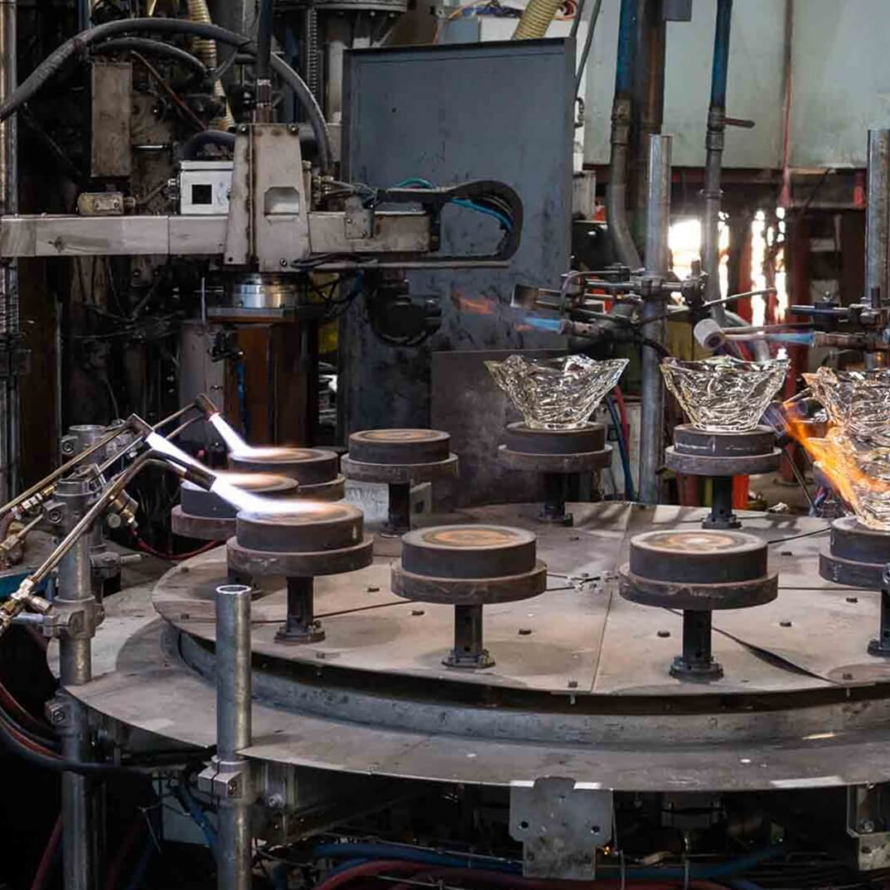
Glass is a material with nearly unlimited recycling potential – which is precisely why circularity forms a natural part of our approach. We give the material a new life time and again, returning it to production and finding fresh ways to utilise every fragment. For us, waste material marks the start of the next process. We apply the same approach to energy, making meaningful use of waste heat from production to boost the efficiency of our entire operation.
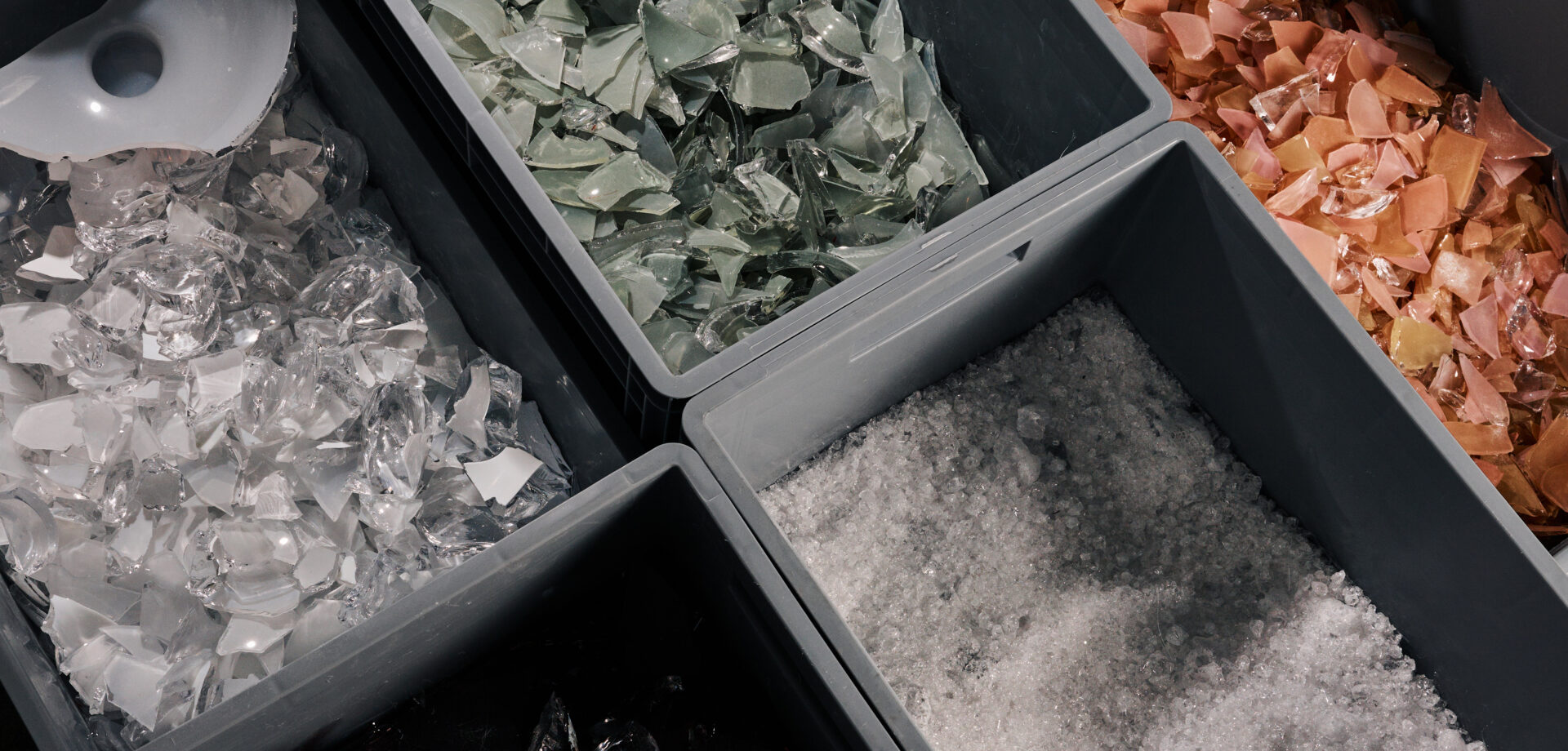
We return clean glass cullet from our own production back into the process, giving it a new lease on life – efficiently, responsibly, and without unnecessary waste. We recycle 100% clean, clear cullet into the melting process, which forms approximately 60% of the molten glass batch – significantly saving both raw materials and energy. We handle coloured cullet just as responsibly, directing it to new uses such as our unique material, fragmentglass.
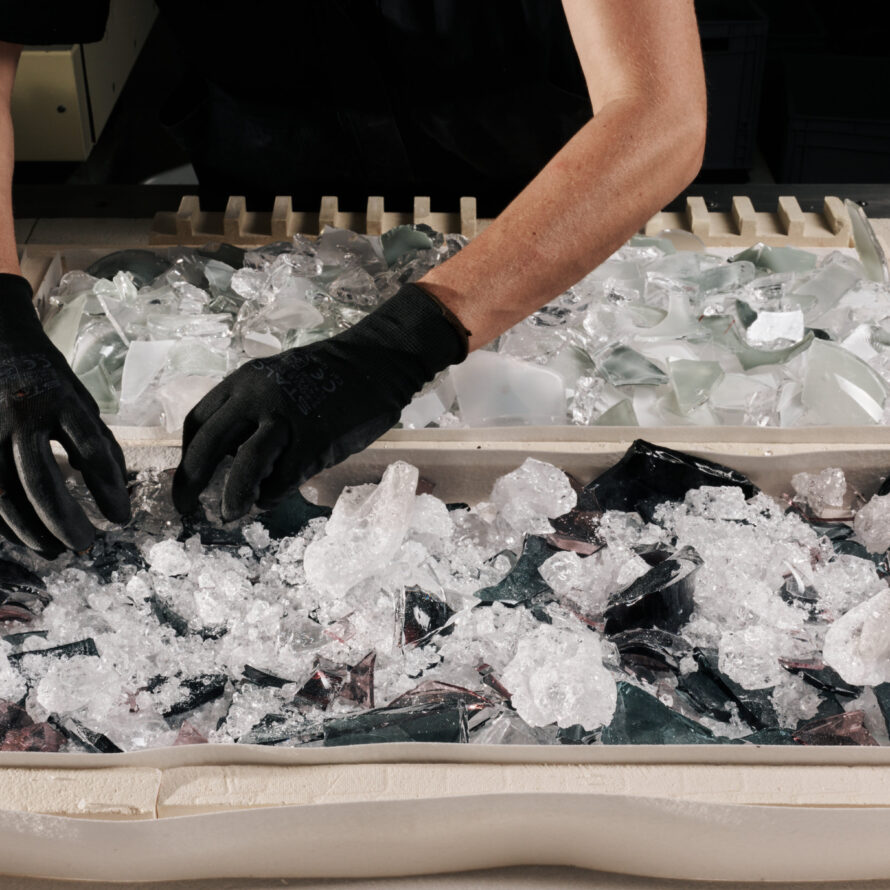
Fragmentglass is an innovative new material made from waste shards upcycled from BOMMA’s previous production. All BOMMA lighting undergoes strict quality control. Pieces with imperfections inevitably end up as glass shards, despite the many hours glassmakers invest in creating them. We craft two lighting collections from this material: Fragments and Fragment Line.
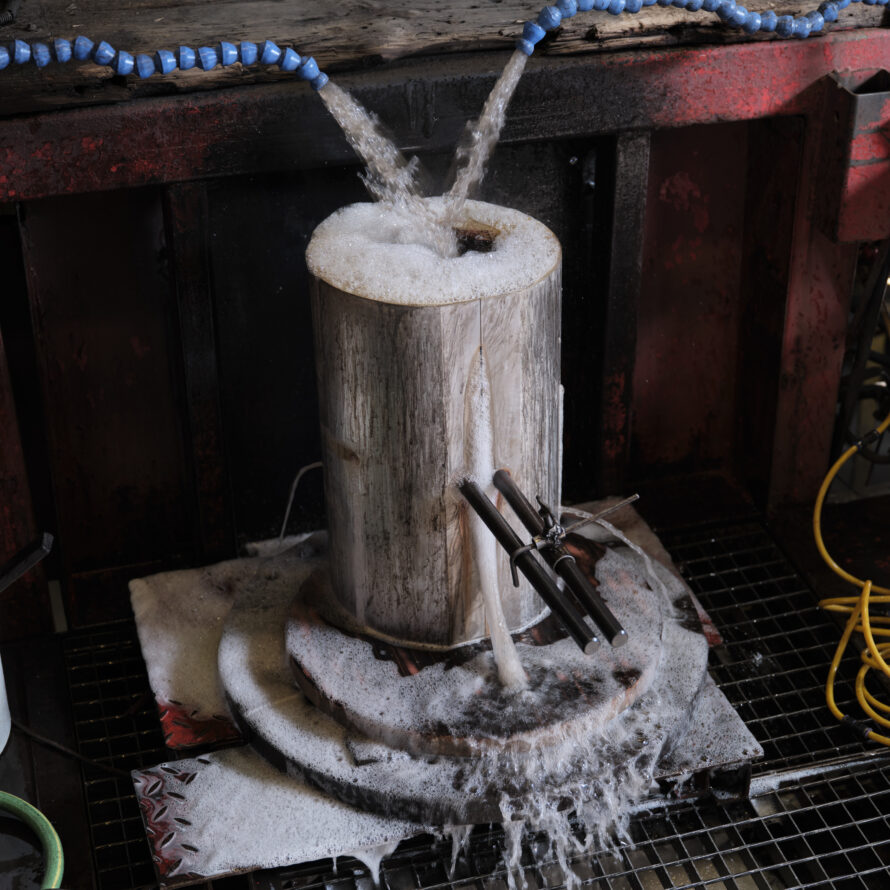
Products that do not pass quality control return to the production cycle. We sort waste according to legislation and cooperate with professional partners – for example, 121 tonnes of acid water were transferred in 2024 for further use in neutralising industrial waste.
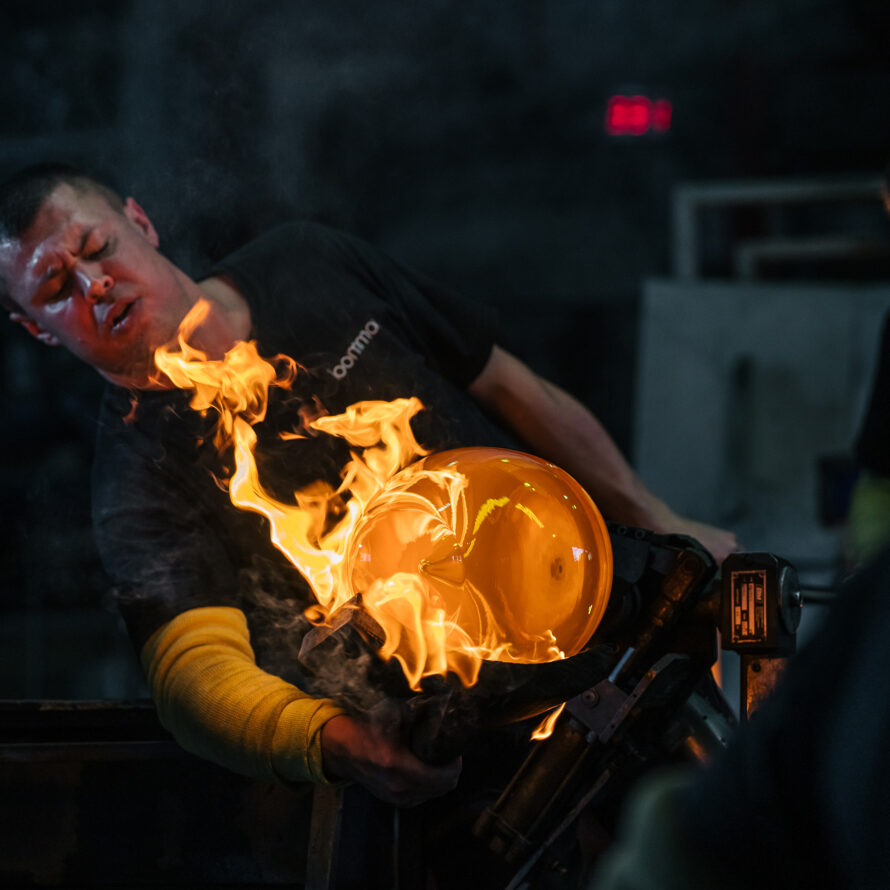
The circular approach also includes waste heat. We capture heat generated during melting and channel it to preheat combustion air and heat administrative buildings, thereby reducing reliance on additional energy sources.